

It's tempting to think conversions come down to having more products, better photography, or a flashier homepage. In practice, most of the gains come from a much shorter list of things — mostly unglamorous, mostly invisible to a casual visitor, and mostly ignored until someone looks at the actual numbers.
Speed sits at the top of that list, and it's not close. A shopper who has to wait even a second or two longer than expected doesn't complain — they just leave. Every unnecessary loading delay and clunky checkout step quietly costs revenue, which is exactly why a purpose-built content system, not a generic one stretched to fit, tends to outperform on the metrics that actually matter.
Personalization has also moved well past "customers who bought this also bought." Adaptive layouts that respond to behaviour, location, and context are becoming standard rather than a premium feature reserved for large retailers, and the gap between stores that use this well and those that don't is only going to widen.
Before any of that, though, there's a more basic question: is the site actually saying the right thing to the right visitor at the right moment? Matching content to where a shopper actually is in their decision-making journey matters more than most product pages give it credit for — someone comparing options needs different information than someone ready to buy right now.
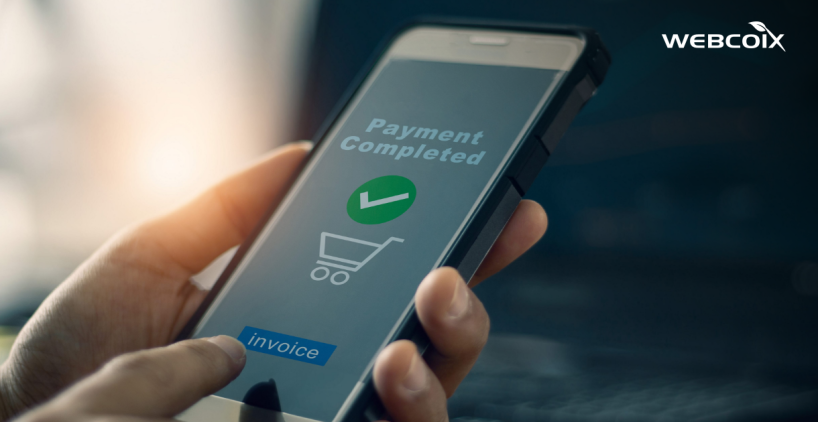
Checkout itself is where a lot of otherwise good work quietly falls apart. Local payment expectations vary by market, and Hong Kong shoppers in particular expect specific options at the final step. Our e-shop package builds in PayPal, Stripe, AsiaPay, and Alipay from the start, so the checkout doesn't become the reason a sale gets dropped after everything else went right.
None of this works without solid infrastructure underneath it, either — a beautifully designed store still loses conversions if the servers can't keep up during a promotion. Every site we build runs on cloud hosting through Amazon Web Services, so performance holds up when traffic actually spikes, not just on a quiet Tuesday afternoon.
We've been refining this particular list — what genuinely moves conversion numbers versus what just looks good in a pitch deck — across over 20 years of e-commerce projects. Our portfolio reflects that focus, and the clients we've worked with tend to mention measurable sales improvements more often than compliments about design alone.
If you're trying to work out which of these would actually move the needle for your store, reach out — we'll help you figure out where the real opportunity is, rather than guessing.