
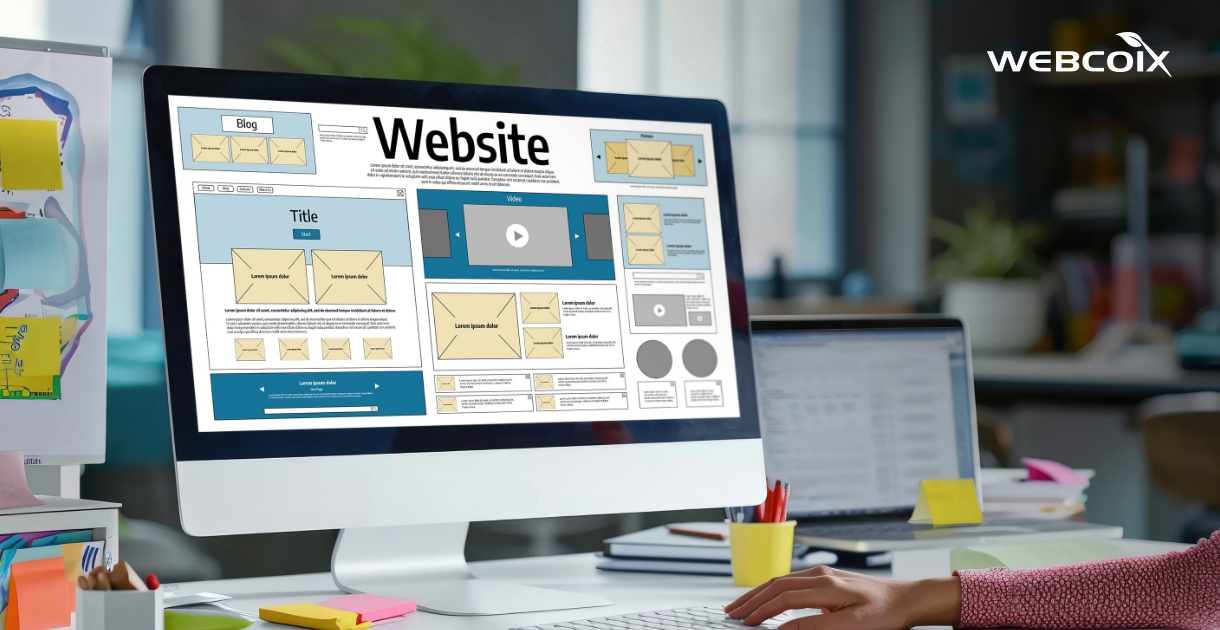
Choosing between a template and a fully custom website can feel like a forced choice: speed and affordability on one side, flexibility and control on the other. In practice you do not always have to pick one. Pairing a proven template design with a custom content management system, or CMS, gives many businesses the strengths of both.
Two Layers, Two Jobs
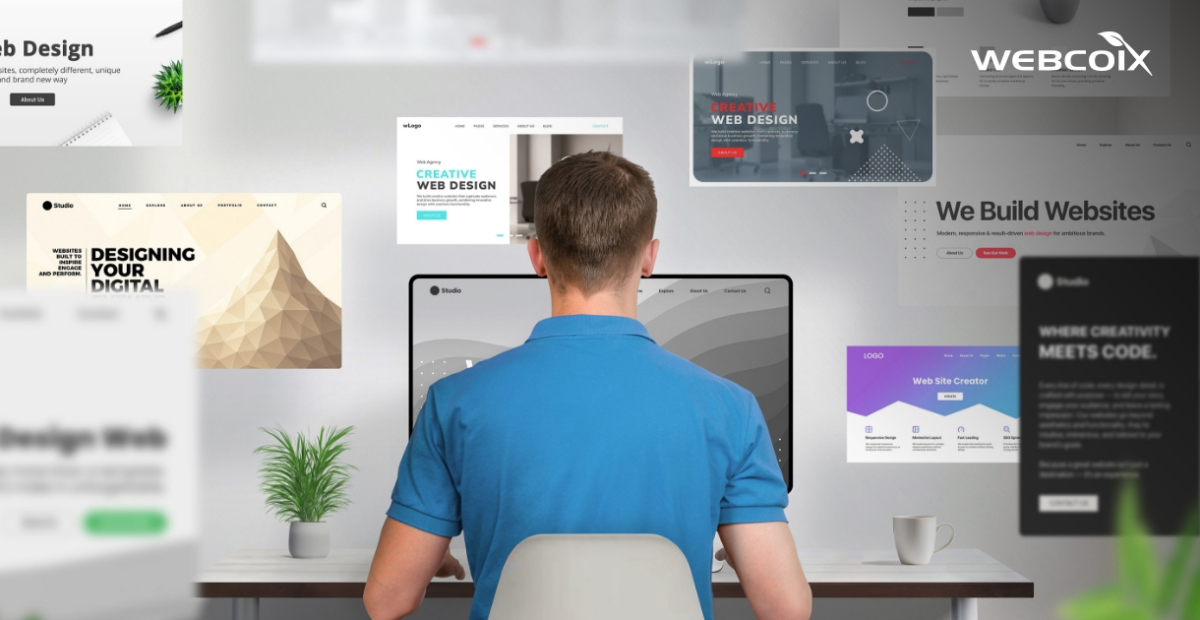
Think of a website as two layers. The front end is what visitors see: layouts, colours, typography and page structure. The back end is what your team uses: how pages are edited, how products are added and how enquiries are managed. A template speeds up the front end because the design is already proven, while a custom CMS shapes the back end around how your business actually works.
What the Template Contributes
- A polished, responsive design ready to be branded.
- A shorter timeline, because layouts do not start from zero. See launching fast or building to last.
- Predictable costs for the visual side of the project.
- Tested patterns that visitors find familiar.
What the Custom CMS Adds
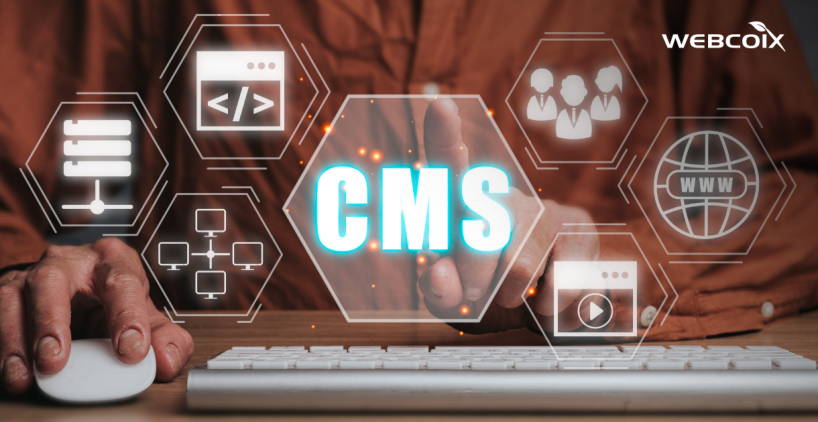
Generic content systems often come with many features you never use and miss the few you need. A custom CMS is built around your own workflow, so editing is simpler for your team. The benefits are set out in advantages of building a custom CMS for your business. Typical gains include:
- Staff can update text, images, news and products without a developer.
- Only the fields and options you need appear, which reduces mistakes.
- Permissions can reflect your team, so the right people edit the right sections.
- Connections to your other systems can be planned from the start, as explained in why API connections pay off and why integration beats custom development.
To see when this route makes sense against popular off-the-shelf platforms, read choosing a custom CMS over WordPress, and for the investment question, build versus buy: is a custom backend worth it.
Why the Combination Works
The template lets you launch quickly and look professional, while the CMS keeps you in control afterwards. That matters because a website is only useful if it is kept current, and a site that is hard to update soon goes stale. Our articles on why a proper CMS is the backbone of every successful website, why your website cannot survive without a proper CMS and why dynamic CMS will dominate web development make the case in depth. Two FAQs answer common questions: why a custom CMS matters and managing your website easily with a CMS.
Is It Right for You?
Not every business needs more than the basics, and the common misconceptions about CMS needs among SMEs are worth reading first. The combination suits you if:
- You publish news, articles or products regularly, perhaps following a content plan and blog.
- Several people update the site.
- You want a professional look quickly but expect content to grow.
- You sell online, where a custom CMS can enhance e-commerce performance; see our eShop package.
If your site is a handful of rarely changing pages, a simple template may be enough; if your needs are unusual from top to bottom, our tailor-made option may be better value. Compare them on the features and pricing page, or read our template versus tailor-made decision guide. After 20+ years and more than 8,000 projects, WEBCOIX has seen how often a good-looking site fails because it is hard to maintain; talk to us about your plans.