
Knowing how a website takes shape makes you a better collaborator and keeps expectations grounded. This FAQ takes you step by step through the web design workflow, from first plans to launch day and after.

FAQ
A Step-by-Step Look at How Websites Get Built
A Step-by-Step Look at How Websites Get Built
What stages does a web design project go through?
Most projects flow through discovery and planning, design, development, content, testing, and launch. Each phase feeds the next, so the finished site aligns with your goals and works as intended.
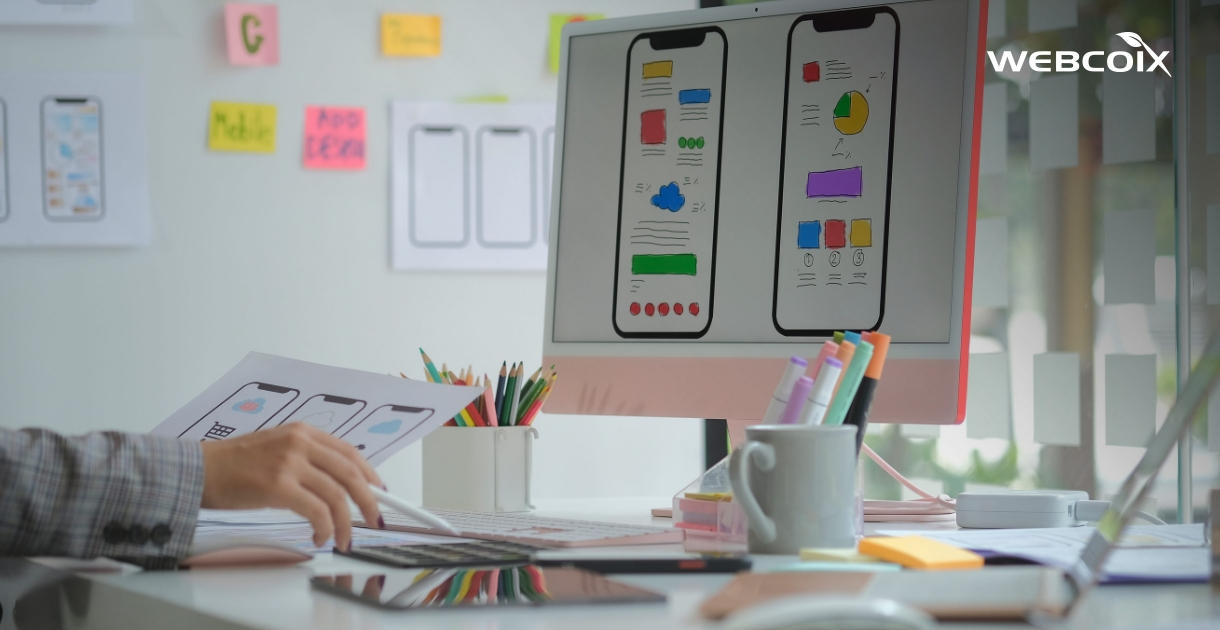
Why are wireframes created before the design?
A wireframe is a stripped-back blueprint of a page's layout, without colors or styling. Reviewing it early lets everyone agree on structure and content flow before time goes into visual design.
What determines how long a website takes to build?
Complexity is the biggest driver—a simple site can take weeks, larger ones several months. Clear requirements, quick feedback, and content that's ready on time all help keep the schedule on track.
How do design and development differ?
Design decides how the site looks and feels—its layout, colors, and imagery. Development is the coding that turns those designs into a working website. The two combine to produce the final result.
How much of my time will the project require?
Your involvement peaks during discovery, design reviews, and content gathering. Giving timely feedback and materials keeps momentum, while your design team takes care of the technical execution.
What gets tested before launch?
Ahead of launch, the site is checked for functionality, browser compatibility, mobile responsiveness, speed, and broken links. This confirms everything performs correctly for every visitor and device.
Is the work finished once the site launches?
Not quite—launch is a milestone, not the end. Afterward comes monitoring, maintenance, and refinement, with security and performance checks keeping the site healthy and analytics guiding improvements.
How are revisions handled during a project?
Revisions give you the chance to refine the design from your feedback at set stages. Since projects typically include a number of revision rounds, clear and consolidated feedback speeds up reaching the final version.


 Webcoix AI Chatbot
For more efficient responses, please shorten your question
WhatsAppEnquiry