
While AI design tools offer impressive capabilities, they fundamentally lack the creativity, strategic thinking, and human understanding that professional web designers provide. This FAQ examines why human designers remain essential for creating truly effective, brand-aligned websites.

FAQ
AI in Website Design - Capabilities and Human Superiority
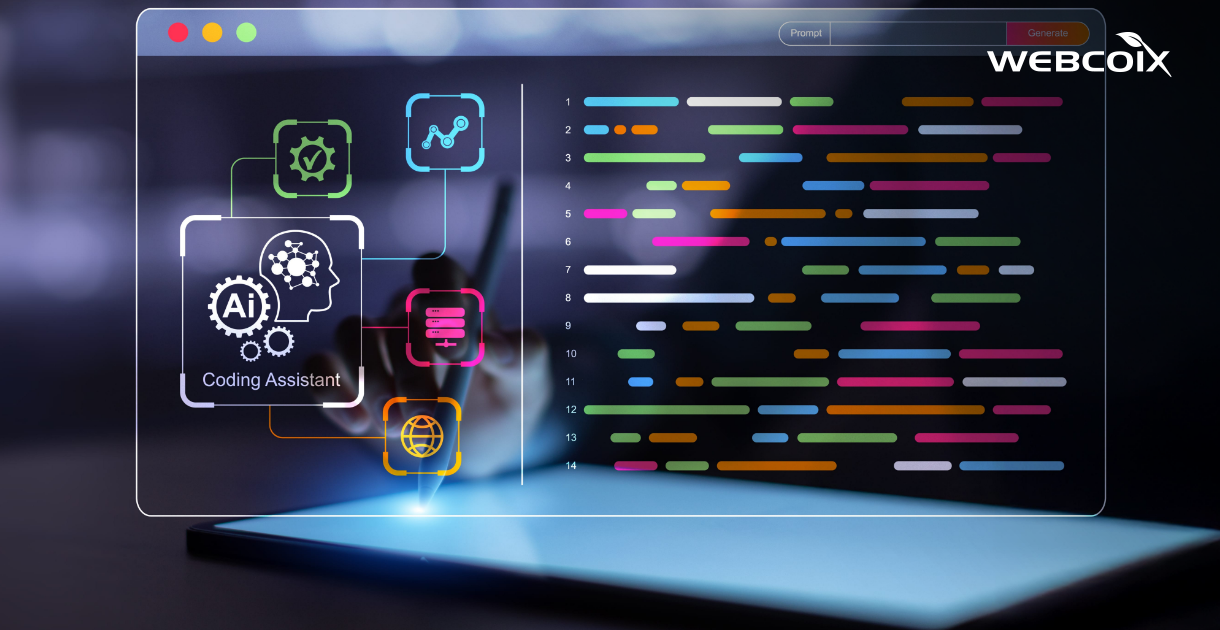
AI in Website Design - Capabilities and Human Superiority
What routine design tasks can AI tools handle efficiently?
AI excels at generating multiple layout variations, creating color schemes from brand guidelines, resizing images for different platforms, and producing placeholder content. Tools like Wix ADI or Squarespace can assemble functional websites from questionnaires within minutes. AI can also analyze existing designs to suggest optimization opportunities, generate responsive code for various screen sizes, and create design variations for testing purposes. However, these capabilities represent execution assistance rather than creative direction.
Why can't AI understand and express unique brand personalities?
Brand personality involves nuanced emotional qualities, cultural contexts, and strategic positioning that AI cannot comprehend. While AI can apply brand colors and logos consistently, it misses the subtle design decisions that convey brand essence—the precise spacing that suggests luxury, the typography choices that communicate innovation, or the imagery curation that builds emotional connection. Human designers interpret brand guidelines holistically, making intuitive judgments about visual hierarchy and aesthetic balance that reflect brand values in ways AI cannot replicate.
What critical user experience decisions require human judgment?
Effective UX design demands understanding human psychology, cultural contexts, and behavioral patterns that AI cannot grasp. Humans make intuitive decisions about information architecture based on how real users think and navigate. They interpret ambiguous user feedback, conduct empathy-driven research, and make judgment calls about acceptable trade-offs. AI might technically optimize a checkout flow while missing the trust signals or reassurance messaging that anxious customers need. Human designers create experiences that feel natural and emotionally resonant.
Why does AI struggle with truly innovative and original design concepts?
AI generates designs by recognizing patterns in existing data, essentially remixing what has already been created. It cannot conceptualize truly novel approaches or imagine possibilities beyond its training data. Breakthrough designs that redefine industries—like Apple's minimalist aesthetic or Airbnb's immersive property showcases—require creative leaps that AI cannot make. Human designers draw from diverse inspirations, cultural experiences, and strategic insights to create distinctive visual languages that differentiate brands in meaningful ways.
How do human designers handle complex client relationships that AI cannot manage?
Design projects involve ongoing collaboration, feedback interpretation, and strategic consultation that require emotional intelligence and communication skills. Humans navigate ambiguous requirements, manage stakeholder expectations, and translate business goals into visual solutions. They handle difficult conversations about scope changes, budget constraints, or conflicting opinions. AI cannot build trust, understand unspoken concerns, or adapt communication style to different personality types. The designer-client relationship drives project success in ways technology cannot replicate.
How do human designers approach responsive design differently than AI?
While AI can technically resize elements for different screens, human designers reimagine entire experiences based on context and user behavior. They consider thumb-friendly mobile navigation, prioritize content differently for on-the-go users versus desktop researchers, and make aesthetic adjustments that maintain brand feel across devices. Humans understand that mobile users often have different goals and constraints than desktop visitors, requiring thoughtful content hierarchy changes rather than simple scaling. AI produces functional responsive layouts; humans create optimized cross-device experiences.
Why is strategic thinking essential for effective web design that AI cannot provide?
Strategic design requires understanding business objectives, competitive positioning, market trends, and long-term brand evolution. Human designers conduct competitive analysis, identify market opportunities, and create designs that support business growth over time. They make decisions about information architecture that align with business priorities and user needs. AI cannot interpret business strategy, anticipate market shifts, or design for future scalability. The strategic foundation of a website—how it supports business goals and differentiates from competitors—requires human insight.
Will AI eventually make human web designers obsolete?
Complete replacement is highly unlikely. While AI will continue improving at technical execution and pattern recognition, it cannot replicate human creativity, emotional intelligence, cultural awareness, or strategic thinking. The future involves deeper human-AI collaboration where designers leverage AI for efficiency while focusing on high-value creative and strategic work. Designers who master AI tools will outperform those who don't, but the human element—understanding client needs, creating emotional connections, and making intuitive design judgments—remains irreplaceable for creating truly exceptional websites.


 Webcoix AI Chatbot
For more efficient responses, please shorten your question
WhatsAppEnquiry