
Explore the fundamentals of professional web design, from creating mobile-friendly layouts to optimizing user experience and implementing SEO strategies that drive real business results.

FAQ
Website Design FAQ
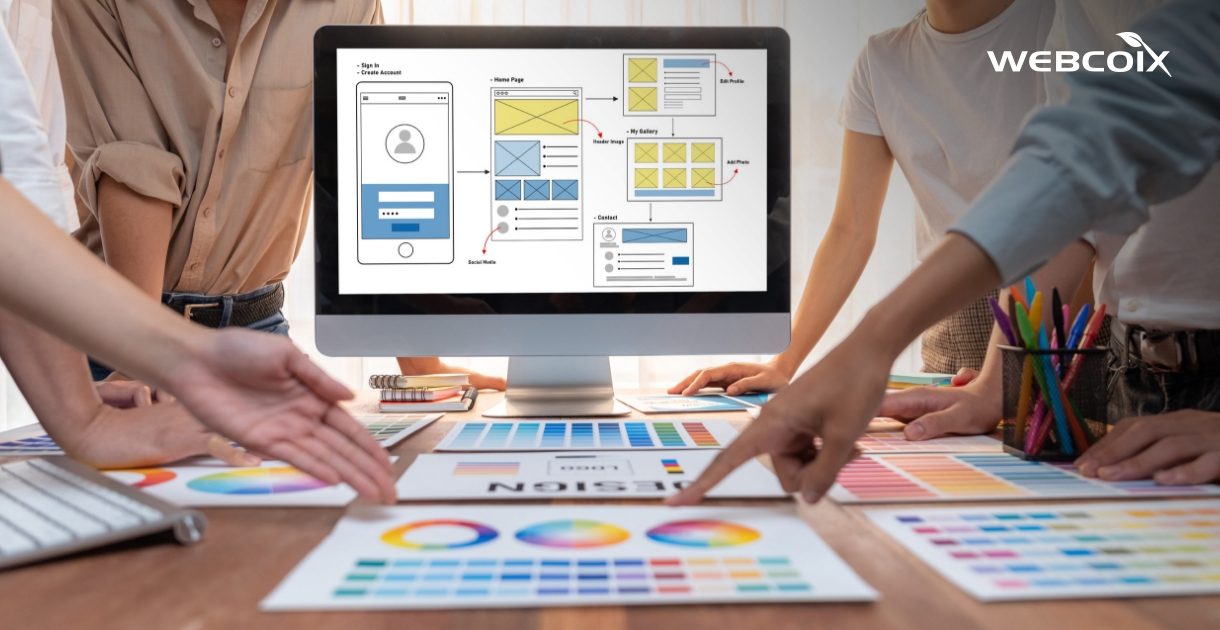
Website Design FAQ
How can I speed up my website's loading time?
Compress images, streamline code, implement caching solutions, invest in quality hosting, and remove unnecessary plugins to significantly improve page load speeds.
Which pages are most important on a website?
While your homepage creates crucial first impressions, product/service pages, about sections, and contact information are equally vital for converting visitors into customers.
How frequently should I update my website?
Regular content updates keep your site fresh, security patches protect against vulnerabilities, and a design refresh every 2-3 years ensures you stay competitive and current.
Template vs custom design—which should I choose?
Templates offer quick, cost-effective solutions for straightforward websites, while custom designs provide unique branding opportunities and specialized functionality tailored to your specific needs.
Why is SEO crucial when building a website?
Search engine optimization helps your website rank higher in search results, bringing in organic traffic and making it easier for potential customers to discover your business online.
What should I budget for a professional website?
Professional business websites typically range from several thousand to one or two thousands of dollars, depending on functionality requirements, design customization, and ongoing support needs.
What elements make a website truly user-friendly?
Intuitive navigation, fast loading times, clear readable fonts, logical page layouts, and strategically placed call-to-action buttons all contribute to a positive user experience.
What's the typical timeline for building a business website?
In Webcoix, we offer a 5 day website package where your website can be made in 5 days.
Why should I prioritize mobile optimization?
With over 60% of web traffic coming from mobile devices, and Google favoring mobile-friendly sites in search rankings, mobile optimization is essential for reaching your audience effectively.
What does responsive web design mean?
Responsive design ensures your website looks and works perfectly across all devices—desktops, tablets, and smartphones—automatically adjusting layout and content for the best viewing experience.


 Webcoix AI Chatbot
For more efficient responses, please shorten your question
WhatsAppEnquiry