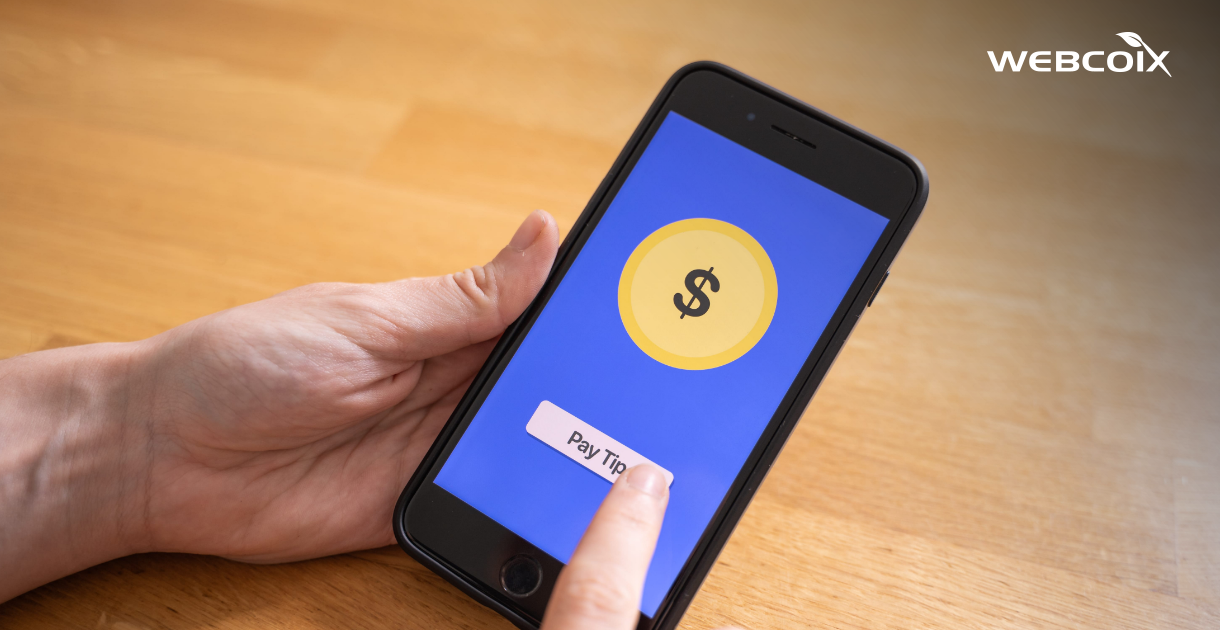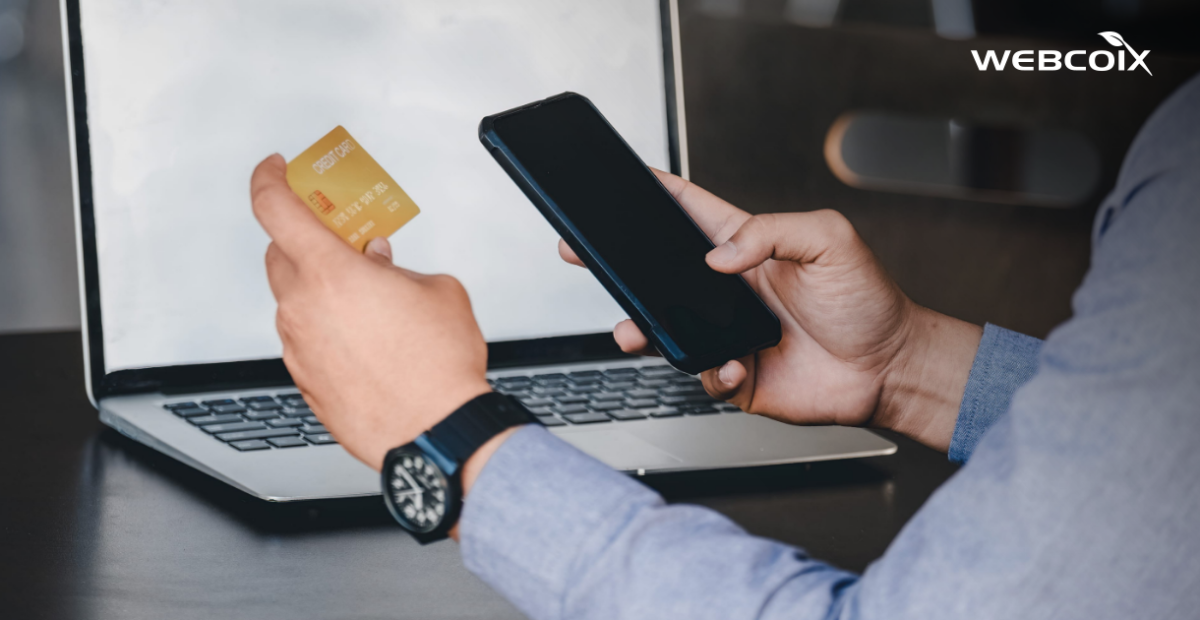


The transition from plastic cards to digital wallets marks one of the most significant shifts in consumer payment behavior. At Webcoix, we have observed how this transformation reshapes the e-commerce landscape for businesses of all sizes. Understanding this revolution helps merchants adapt their platforms to meet evolving customer expectations.
Credit cards dominated online commerce for decades, yet they carried inherent friction. Customers manually entered lengthy card numbers, expiration dates, and security codes for every purchase. Digital wallets eliminated these repetitive steps by securely storing credentials behind biometric authentication. For e-commerce platforms, this streamlined checkout process directly correlates with reduced cart abandonment and higher conversion rates.
Security concerns actually accelerated wallet adoption rather than hindering it. Tokenization technology replaces sensitive card data with unique identifiers, rendering stolen information useless. This protection layer appeals to security-conscious consumers who previously hesitated entering financial details online. Many financial service providers now integrate wallet compatibility as a standard requirement for modern payment infrastructure.
The mobile-first economy further cemented wallet dominance. Smartphones became natural payment devices, with wallets pre-installed and ready for immediate use. This ubiquity creates opportunities for businesses to engage customers through seamless transactions across touchpoints. If your website design still relies solely on traditional card entry, consider consulting our payment specialists to implement wallet integration and capture this growing market segment.